
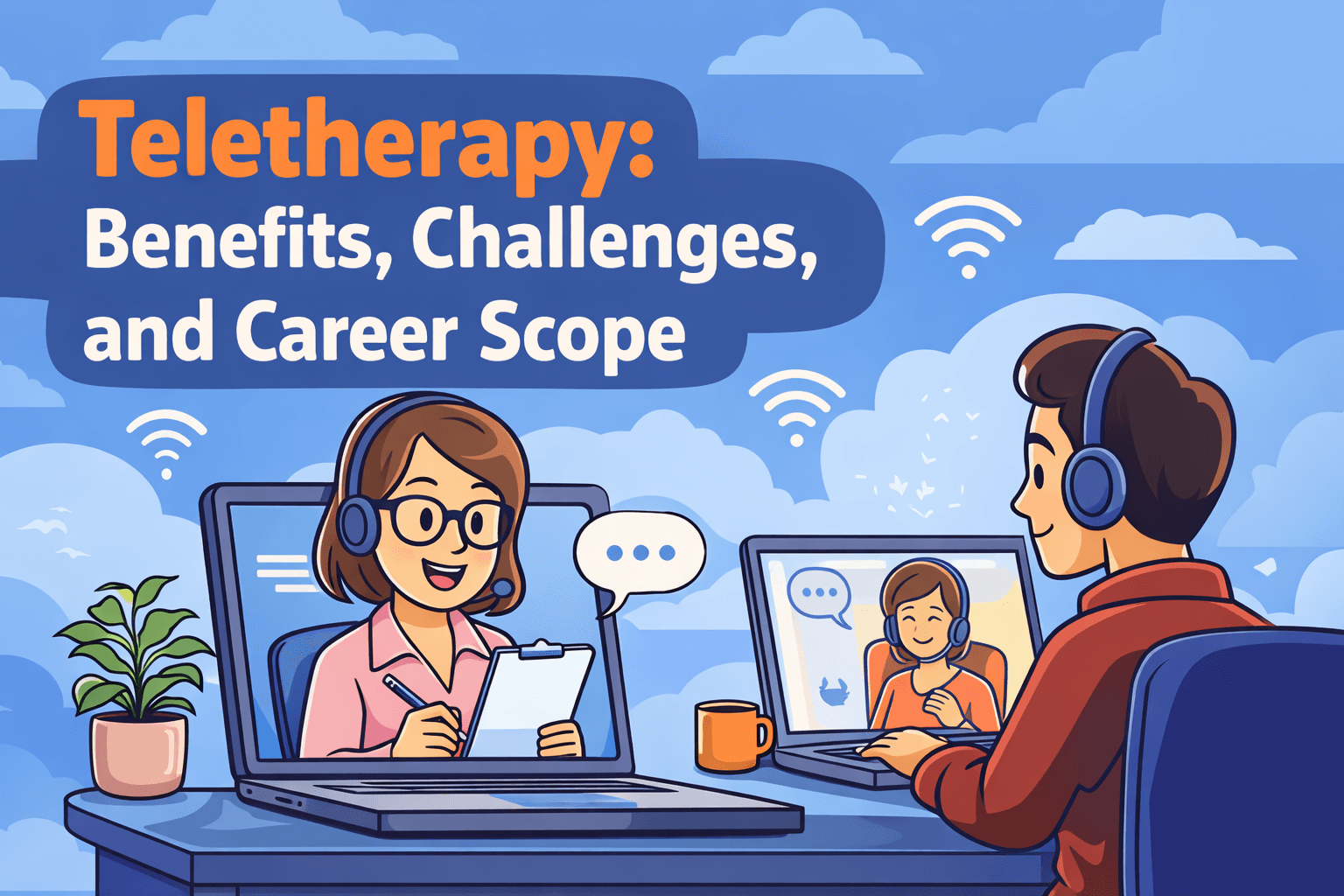
In the modern healthcare era, the rise of digital solutions has fundamentally changed how we approach emotional well-being. Teletherapy has evolved from a niche alternative to a primary mode of care, offering a bridge for those who previously found clinical settings inaccessible. This shift is particularly evident as we move into 2026, where the integration of high-speed connectivity and user-centric design has made Virtual therapy a standard expectation. For many, the ability to connect with a licensed counselor from a private, familiar space reduces the traditional barriers of travel time and public exposure. As more people embrace Mental health online, the industry is responding with sophisticated tools that ensure sessions are both secure and deeply impactful. Whether you are a student exploring future career paths or a professional looking to transition into the digital space, understanding the nuances of this field is essential. This blog explores the core advantages, the inevitable hurdles, and the expansive career horizons within the world of Telehealth.
Core Advantages of Digital Mental Health Services
The transition to Online therapy has brought about significant improvements in how patients and providers interact. By removing physical boundaries, mental health services have become more inclusive and efficient.
| Benefit Category | Impact on Patients | Impact on Professionals |
|---|---|---|
| Accessibility | Overcomes geographical barriers and mobility issues. | Can reach a wider demographic of professionals and clients. |
| Flexibility | Easier to fit sessions into busy work or school schedules. | Ability to manage a better work-life balance from home. |
| Cost-Efficiency | Saves money on commuting, parking, and childcare. | Lower overhead costs as there is no need for physical office rent. |
| Reduced Stigma | Provides a private "port-of-entry" for those wary of clinics. | Encourages more people to seek help earlier. |
Why Remote Therapy is Gaining Traction
➤Convenience: Clients can engage in Remote therapy during lunch breaks or from the comfort of their living rooms.
➤Specialized Care: Patients in rural areas can access experts through Telehealth for Behavioral Health who might not be available locally.
➤Consistency: Weather conditions or minor illnesses no longer lead to cancelled appointments, ensuring continuity of care.
➤Comfort: Being in a familiar environment often helps individuals feel more secure when discussing sensitive topics.
Challenges in the Teletherapy Landscape
While the benefits of teletherapy are numerous, the transition to a digital medium is not without its obstacles. Professionals must navigate technical and interpersonal complexities to maintain the quality of care.
Technical and Ethical Hurdles
1-Connectivity Issues: Unstable internet can lead to dropped calls or lag, which can disrupt the flow of a sensitive session.
2-Privacy Concerns: Ensuring that Teletherapy services remain confidential requires high-grade encryption and secure platforms.
3-Non-Verbal Cues: It can be harder to pick up on subtle body language or breathing patterns through a screen compared to in-person meetings.
4-Crisis Management: Handling emergencies from a distance requires a robust, pre-planned protocol to ensure patient safety.
Comparing Traditional vs. Virtual Barriers
| Challenge | Traditional Therapy | Digital therapy |
|---|---|---|
| Privacy | High (controlled environment) | Requires secure, encrypted Teletherapy platforms. |
| Rapport | Natural face-to-face connection. | Requires "webside manner" to build virtual trust. |
| Environment | Therapist controls the space. | The client's environment may have distractions or noise. |
| Emergency | Immediate physical intervention. | Relies on local emergency contact protocols. |
The Growing Career Scope and Job Market
The demand for Remote counseling jobs is at an all-time high. As healthcare systems integrate Telehealth as a permanent fixture, the career paths for therapists, social workers, and psychologists are expanding rapidly.
➤Diverse Roles: Beyond standard counseling, there is a surge in Teletherapy jobs within corporate wellness, insurance companies, and digital health startups.
➤Interdisciplinary Growth: Professionals can now explore Opportunities for students in the tech boom by collaborating on AI-driven mental health tools.
➤Global Reach: Licensed practitioners can often work across state or even national borders, depending on specific Telemental health regulations.
➤Skill Development: Succeeding in this field requires more than clinical knowledge; it demands technical proficiency and the ability to engage clients virtually.
Future Career Outlook 2026
| Career Aspect | Current Trend | Future Projection |
|---|---|---|
| Job Growth | Steady increase in e-therapy roles. | Projected 6% growth in remote clinical roles by 2034. |
| Salary Range | Competitive with traditional roles. | Higher potential through multiple platform contracts. |
| Tech Integration | Basic video calls. | Integration of AI diagnostic tools and VR therapy. |
Technology and Effective Implementation
For Teletherapy counseling to be effective, it must be supported by the right infrastructure. This is where Telepsychology intersects with software innovation to create seamless user experiences.
➤Secure Platforms: Using HIPAA-compliant software is non-negotiable for protecting patient data.
➤AI Integration: Many Teletherapy setups now use AI for automated note-taking and sentiment analysis to assist the therapist.
➤Hybrid Models: Many clinics are adopting a mix of virtual and in-person visits to offer the best of both worlds.
➤Skill Acquisition: Students should focus on Skills before salary to master the digital tools necessary for the modern market.
FAQS:
Q1. What are the pros and cons of being an online counselor?
Ans. The primary pros include a flexible schedule, the ability to work from anywhere, and reduced overhead costs. On the flip side, the cons involve potential "zoom fatigue," the challenge of managing technical glitches, and the difficulty of reading full-body non-verbal cues.
Q2. What is telehealth and its scope in the future?
Ans. Telehealth refers to the delivery of healthcare services via digital communication technologies. Its future scope is massive, with projections suggesting it will become a standard integrated part of all healthcare, especially for chronic disease management and mental health support.
Q3. Does TeleTherapy work?
Ans. Yes, numerous studies indicate that Online therapy benefits are comparable to in-person sessions for many conditions, including anxiety, depression, and PTSD. Research shows that the "therapeutic alliance" or the bond between patient and therapist can be just as strong online.
Q4. What is telehealth software development?
Ans. This is a specialized field focused on creating secure, user-friendly applications for medical use. It involves building features like encrypted video conferencing, electronic health records (EHR) integration, and patient portals.
Q5. What are the technology trends in the telehealth industry?
Ans. Current trends include the use of Artificial Intelligence for diagnostics, the integration of wearable devices for real-time monitoring, and the use of Virtual Reality (VR) for immersive exposure therapy.
Q6. Can I find local guidance for my career?
Ans. Absolutely. For instance, if you are looking for Career guidance in Ahmedabad, there are many local resources to help you map out your path in the growing healthcare sector.
Q7. Is it possible to study these fields abroad?
Ans. Yes, many students choose to Study abroad to gain international exposure to the latest medical technologies and clinical practices.