
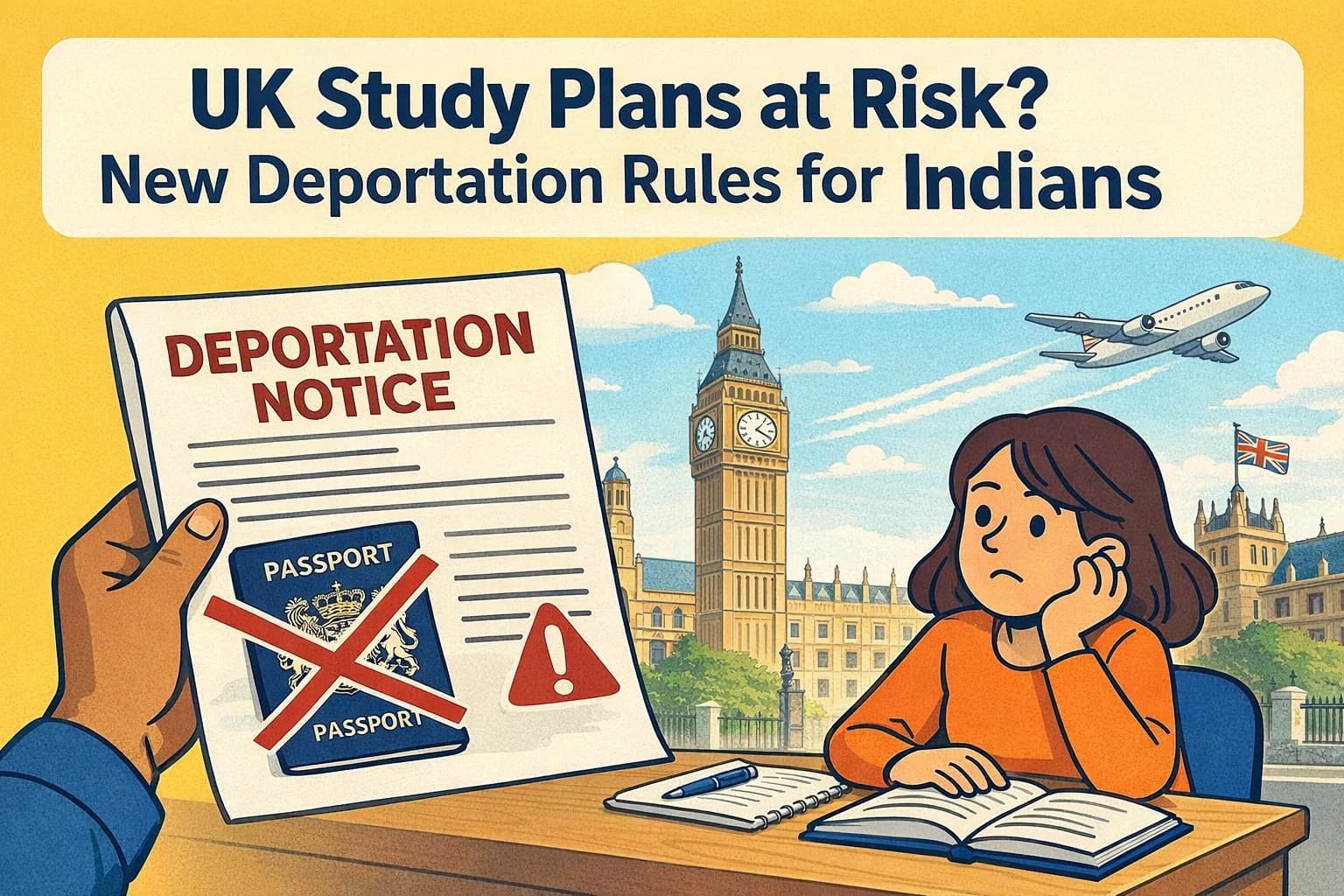
It's a whole new ballgame for international students dreaming of building lives in Britain, especially for Indians. That dream of a top-notch education and a career is getting tougher because the UK is changing its immigration rules. The government put out a paper called Restoring Control Over the Immigration System, and it basically says they want highly skilled workers and are making it harder for everyone else to stay. With shorter post-study work visas and more focus on catching rule-breakers, going from graduation to staying permanently isn't a sure thing anymore.
The truth is, immigration is under a microscope. Messing up, even by accident, can get you sent home. These rules are about lowering the number of immigrants, which means Indians have to be super careful. From needing better English to dealing with online visas, there's less room for error. Thinking about studying in the UK? You need to know how these changes affect you. It's not just about getting accepted to a school; it's about following all the rules every step of the way to stay out of trouble.
Big Changes for International Students
The UK government's really cracking down on immigration, especially how students go from school to work. This isn't just paperwork; it's a whole new way of thinking about who gets to live in the UK. And for Indians, who are a big chunk of international students, these changes hit hard.
➤Shorter Graduate Visas: The buzz is that the Graduate Route (Post-Study Work) visa is getting cut shorter.
➤Tougher English: By 2026, lots of work visas will need you to be way better at English (B2 level instead of B1).
➤More Money Needed: You'll have to prove you have more money to live on while you study.
➤No Family for Some: Most master's students can't bring their families anymore, which is meant to lower immigration numbers right away.
| Feature | Old Rule (Pre-2025) | New/Proposed Rule (2026 Onward) |
|---|---|---|
| Graduate Visa (Master's) | 2 Years | 18 Months (Proposed) |
| English Proficiency | CEFR B1 | CEFR B2 |
| Dependant Rights | Most PG students allowed | Only Research/PhD allowed |
| Settlement Baseline | 5 Years | 10 Years (Earned Settlement) |
The Risk of Getting Deported
Deportation is a scary word, but the government's using it more to keep the system in check. Stricter rules mean even small mistakes with your visa can get your status reviewed. So, Indians need to be extra careful to follow all the rules.
➤Work Hour Limits: Students can only work 20 hours a week during school. Go over that, and you're breaking the rules.
➤Schools on the Hook: Schools now have to keep a close eye on attendance and graduation rates to keep their permission to sponsor international students.
➤Online Tracking: With e-visas and online records, it's easier for the government to find people who've stayed too long or haven't switched to a work visa.
➤Even Minor Crime Can Hurt: Under the new Earned Settlement model, even small legal problems can stop you from staying and get you deported.
Finding a Career Path
Even though the UK's still popular, lots of people are looking at other places. Comparing studying in Singapore vs the UK might be smart to see which place is more stable. The UK wants people who contribute, so only people in high-paying jobs or fields where there's a worker shortage might have an easy time.
➤High Salary Needed: To get a Skilled Worker visa, you need to make a lot more money now.
➤Longer Wait for Permanent Residency: For many, getting Indefinite Leave to Remain (ILR) now takes 10 years instead of 5.
➤Ways to Shorten the Wait: Working in a growing industry or volunteering might cut down the time you have to wait for permanent residency.
➤Switching Visas: Going from a student visa to a work visa means you need better English and a sponsor who can pay the higher Immigration Skills Charge.
Is the UK Still Worth It?
With the risk of deportation for messing up and tougher immigration rules, lots of Indians are wondering if it's still worth it. The education's great, but it's getting harder to stay and work after graduation. It's important to see the whole picture, including how safe the UK is for Indian students in 2025, to get a sense of the social and legal climate.
| Aspect | Current Situation for Indian Students |
|---|---|
| Job Market | Highly competitive with high salary floors |
| Compliance Risk | High; strict monitoring of attendance and work hours |
| Long-term Settlement | Harder; requires 10-year residency for most |
| Cost of Living | Rising; requires higher proof of funds for visas |
If you're on a budget, look at cheaper countries to study abroad in 2025 for a more affordable option with fewer immigration problems. If you're set on getting a master's, check out the top universities for MS programs to make sure your school helps international students.
Frequently asked Questions
Q1. Are UK immigration laws fair to immigrants?
A. Fair is a matter of opinion, but the current laws are made to help the UK economy first. It's clear what high-skilled Indians need to do, but making the wait for permanent residency longer and not letting many students bring families is a big obstacle.
Q2. Can I get deported if I fail my exams?
A. Failing exams won't get you deported right away, but your school might stop sponsoring you. If you're not enrolled, your student visa's not valid, and you have to leave or find another visa to avoid getting in trouble.
Q3. How are the English rules changing in 2026?
A. If you're going from a student visa to a work visa like the Skilled Worker one, you need to go from B1 to B2 level English. That means you have to speak, write, and understand English much better.
Q4. Is the 2-year Post-Study Work (PSW) visa still around for Indians?
A. In early 2026, the 2-year Graduate visa is still available, but the government might cut it to 18 months for master's students. Check the latest government updates before you study to see if these changes have happened.
Q5. What if I stay past my visa by a few days?
A. Staying past your visa is a big deal. You might get banned from coming back to the UK for years, and you probably won't get any visas in the future. The government's getting better at tracking online visas to find people who overstay.