
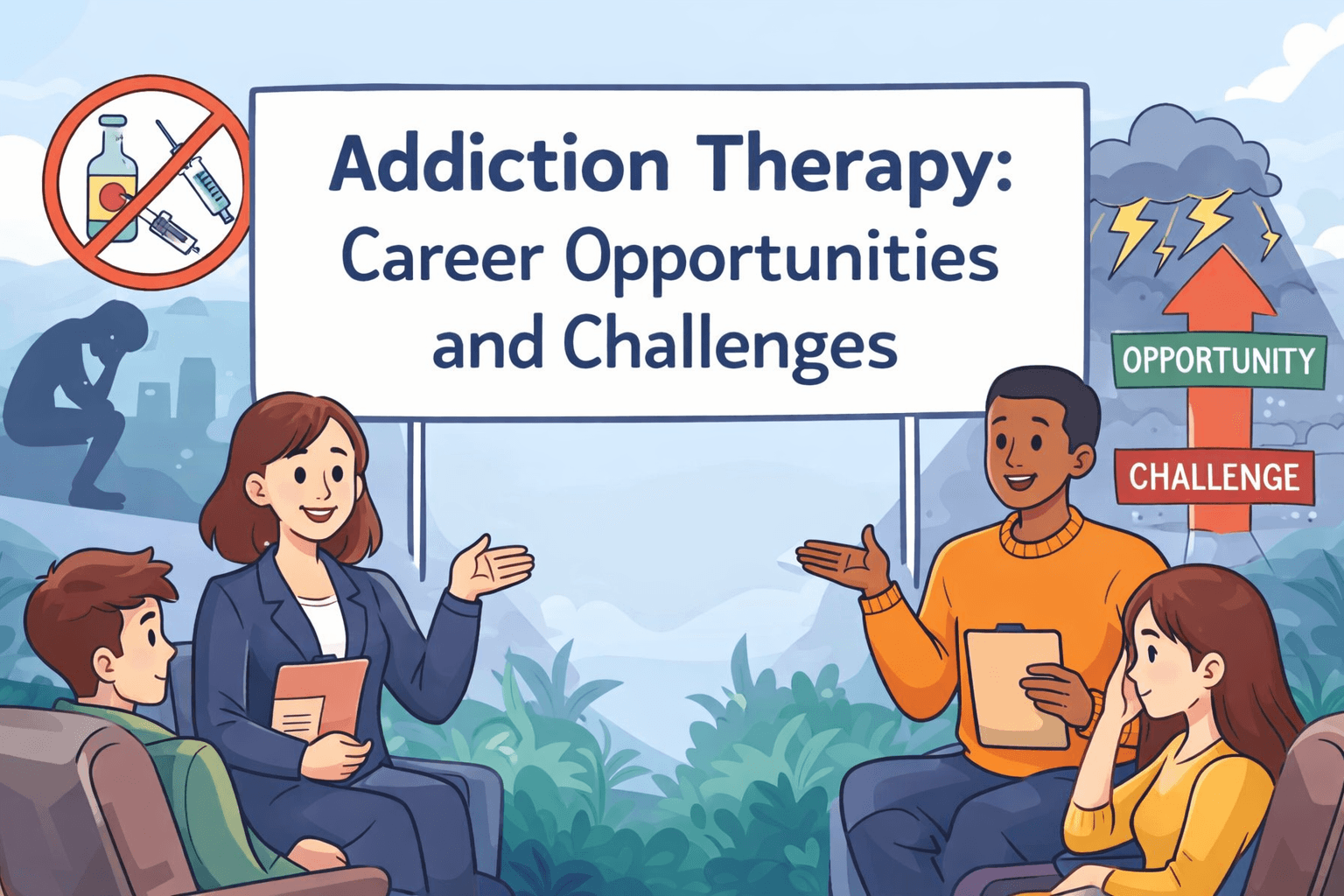
Stepping into the world of addiction recovery is a choice driven by deep empathy and a desire to see people reclaim their lives from the grip of substance abuse. As a therapist in this field, you are not just a medical professional but a bridge between a person’s darkest moments and a hopeful future. The work is fundamentally human, requiring a delicate balance of emotional intelligence and clinical expertise. Whether you are working within a high-stakes clinical setting or providing long-term support in a community center, every interaction contributes to a broader mission of healing. This profession is perfect for those who value impact over routine and are willing to navigate the complexities of the human psyche to foster lasting change. While the path is paved with unique obstacles, the profound sense of purpose that comes from helping someone rebuild their family, career, and self-esteem is incomparable. As we look toward the landscape of healthcare in 2026, the demand for dedicated professionals in this niche continues to rise, making it a timely and vital pursuit for aspiring counselors.
Exploring the Path of Addiction Recovery
Choosing a career in this sector involves more than just understanding medicine; it requires a deep dive into behavioral therapy and human psychology. The journey often begins with a solid educational foundation and a passion for social service.
▶Educational Requirements: Most professionals start with a degree in psychology, social work, or a related field.
▶Specialized Certification: Obtaining specific licenses for counseling ensures you meet state and national standards.
▶Practical Training: Internships at a local rehab center provide the hands-on experience needed to handle real-world crises.
▶Continual Learning: Much like how students learn from various sectors, you can see what we can learn from Womens IPL skills to understand how teamwork and resilience apply to professional growth.
▶Diverse Work Settings: Therapists find roles in private practices, hospitals, or specialized recovery clinics.
Roles and Responsibilities
The following table outlines the primary roles within the field of treatment and recovery:
| Role | Primary Responsibility | Key Skill Needed |
|---|---|---|
| Rehabilitation therapy Specialist | Focuses on physical and mental recovery | Patience |
| Substance Abuse Counselor | Conducts one-on-one sessions | Active Listening |
| Clinical Supervisor | Manages a team of therapists | Leadership |
| Intake Coordinator | Evaluates new patients for rehab | Assessment |
Opportunities in Modern Addiction Support
The landscape of mental health is expanding rapidly, creating new avenues for professionals to specialize and grow. With the integration of technology and holistic approaches, the opportunities are more diverse than ever before.
▶Telehealth Expansion: Providing therapy sessions remotely has opened doors to reach patients in rural areas.
▶Private Practice: Many experienced professionals choose to become a study abroad business owner or start their own consulting firms.
▶Holistic Approaches: Integrating yoga, art, and nutrition into standard rehab protocols.
▶Corporate Wellness: Companies are now hiring specialists to manage employee mental health and substance issues.
▶Research and Development: Working on new pharmaceutical or psychological interventions for addiction.
▶Resource Management: For those interested in the official statistics and growth rates, the BLS report on substance abuse counselors provides excellent data on market demand.
Salary and Growth Potential
| Experience Level | Average Focus | Market Demand |
|---|---|---|
| Entry Level | Direct Patient Care | Very High |
| Mid-Level | Program Management | High |
| Senior Level | Policy and Research | Moderate |
Navigating the Challenges of the Profession
While the rewards are high, the challenges in this field are significant and require a high level of personal resilience. It is essential to be aware of these hurdles before committing to this career.
▶Emotional Burnout: Constantly dealing with trauma can lead to compassion fatigue.
▶High Relapse Rates: Seeing patients struggle after a successful treatment can be discouraging for the therapist.
▶Administrative Burdens: Documentation and insurance paperwork can take up a significant portion of the day.
▶Stigma: Overcoming societal biases against those suffering from addiction remains a constant battle.
▶Resource Scarcity: Many clinics face funding issues, limiting the tools available for behavioral therapy.
▶Complex Cases: Patients often have co-occurring disorders, requiring a broad knowledge base similar to what one might find in ENT residency training.
Comparison of Work Environments
| Environment | Pros | Cons |
|---|---|---|
| Public Hospitals | High volume of cases | High stress and paperwork |
| Private Clinics | Better resources | Limited patient diversity |
| Non-Profit Centers | Deep community impact | Lower salary scales |
Core Components of Effective Treatment
Success in this field relies on a multi-faceted approach to healing. Using different modes of therapy ensures that the unique needs of every individual are met.
▶Individual Counseling: Personal sessions focused on identifying triggers.
▶Group Sessions: Building a community of support among peers in a rehab setting.
▶Family Intervention: Healing the relationships damaged by substance use.
▶Evidence-Based Practice: Utilizing methods proven by research, such as the studies found in PMC articles on addiction.
▶Crisis Management: Handling immediate physical or psychological emergencies.
▶Post-Recovery Support: Planning for life after the initial rehab phase is completed.
▶Professional Guidance: Just as a BARC exam preparation strategy requires a plan, so does a successful recovery journey.
▶Physical Restoration: Understanding the role of rehabilitation counselors in helping patients regain their functional independence.
FAQS:
Q1. Is a career as an addiction counselor fulfilling?
Ans. Yes, it is incredibly rewarding. While the work is demanding, seeing individuals transform their lives and mend broken relationships provides a sense of achievement that few other professions can offer.
Q2. What are the future prospects of a career in counseling?
Ans. The future prospects are very strong. As society becomes more aware of mental health issues, the demand for qualified professionals in behavioral therapy and substance abuse is expected to grow significantly over the next decade.
Q3. What is the difference between rehab and rehabilitation therapy?
Ans. A rehab center is the facility where patients stay, while rehabilitation therapy refers to the specific therapeutic techniques used to help a person recover their physical or cognitive skills during their stay.
Q4. Do I need a medical degree to work in this field?
Ans. Not necessarily. While psychiatrists need a medical degree, most positions in counseling and therapy require degrees in psychology or social work followed by specialized certification.
Q5. How can I manage the stress associated with this job?
Ans. Most therapists utilize peer supervision, personal therapy, and strict work-life boundaries to manage the emotional weight of their career.