Gold and Silver Price Today: What Moves Them and Why They Fell
Gold fell sharply in November 2026 and silver has swung hard. This plain guide explains what moves both prices, what the moves do not mean, and the careers behind these markets.

Arham Ansari
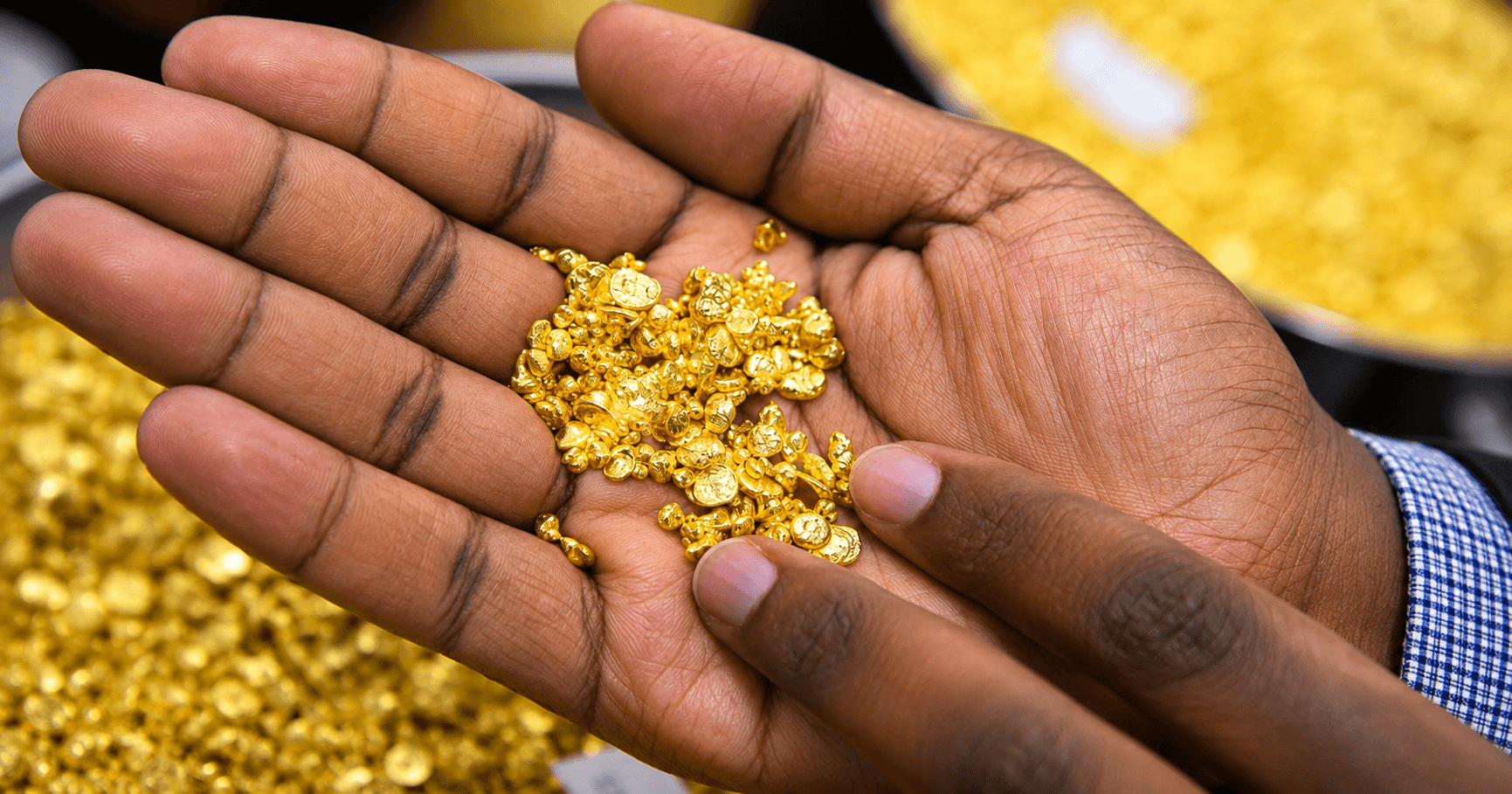
The gold and silver price today depends on US interest rates, inflation, the dollar and buying in India. On 26 November 2026, gold on the MCX was about ₹1,22,469 per 10 grams and silver about ₹1,46,500 per kg. Both fell hard in November, mainly because markets expect the US Federal Reserve to raise interest rates again.
This is not a record-high story, even though many headlines suggest one. Gold is well below its January 2026 peak. Here is what the numbers say, what moves them, and which careers sit behind these markets.
Gold and silver price today: where the prices stand
Prices move through the day, so treat these figures as a snapshot from 26 November 2026. They come from a live MCX market tracker.
| Metal | MCX price | Time on 26 Nov 2026 | Move on the day |
|---|---|---|---|
| Gold (per 10 grams) | About ₹1,22,469 | Afternoon | Up about 1.1% |
| Silver (per kg) | About ₹1,46,500 | Midday | Up about 2.8% |
- Gold fell about 2.5% on 25 November before recovering the next day, per the same tracker for that day.
- Silver fell 5.98% on 25 November. The MCX spot close was ₹1,43,384 per kg, as recorded on this silver rate page.
- Gold was near ₹1.40 lakh per 10 grams on 10 November 2026. That is roughly ₹18,000 more than today, based on MCX chart data.
- Globally, gold briefly fell below $3,500 an ounce on 25 November, the first time since September 2025. Spot silver rose 1% to $41.64 an ounce on 26 November, according to a report on the Fed and precious metals.
- Gold is far below its peak. It hit a record of about $5,590 an ounce in late January 2026. By 20 November it had fallen to about $3,540, a drop of more than 35%.
The simple picture is a sharp fall from high levels, with a small bounce on 26 November. One day's move does not make a trend.
What actually moves gold
Interest rates and the Fed
Gold pays no interest. When interest rates rise, bank deposits and bonds pay more, so gold looks less attractive. Traders therefore watch the US Federal Reserve, the American central bank.
Markets now expect the Fed to raise rates at its December meeting and again in early 2027. The Fed last raised rates in September.
US inflation data
The Fed watches inflation closely. On 25 November 2026, the US released its October reading of the PCE price index, which tracks what Americans spend.
Headline inflation rose to 3.8% from 3.7%. Core inflation, which leaves out food and energy, was 3.3% year on year. Hotter inflation makes more rate rises likely, and that tends to push gold down.
The dollar
Gold is priced in US dollars across the world. When the dollar gets stronger, gold costs more for buyers using other currencies, and demand can slow.
Indian buyers pay in rupees, so the dollar-rupee rate also shapes the price they see.
Central bank buying
Central banks hold gold as a reserve, much like a country's savings. When they buy more, that adds to demand and can support prices. When they slow down or sell, prices can feel the pressure.
Festival and wedding demand in India
India is one of the world's biggest gold buyers, and demand follows the calendar. The World Gold Council's Q3 2026 India report says jewellery demand fell 20% to 99.9 tonnes in July to September, from 125 tonnes a year earlier.
Total gold demand value still rose 3% to ₹2,41,900 crore. The council expects some recovery from October to December, with Diwali, Dhanteras and the wedding season.
India's import duty
India taxes gold imports with a duty, and a higher duty raises the price Indian buyers pay. In mid-May 2026, the duty went up. The World Gold Council's Q2 2026 report names that hike as one reason demand softened.
Why silver moves more sharply
Silver is both a precious metal and an industrial one. Investors and jewellery buyers want it, and factories need it. Silver also has very high electrical and thermal conductivity, so it is used in electronics and other industrial products.
The silver market is smaller than the gold market. When buyers or sellers step in, the price moves further. The Silver Institute projected a sixth straight annual supply deficit for 2026, of 35 million ounces, which means demand is expected to outrun new supply.
That is why silver fell 5.98% on 25 November, and why it rose about 2.8% by midday on 26 November.
What this does not mean
A rising gold or silver price is not advice to buy. A falling price is not advice to sell.
Past moves do not predict the next one, and no one can forecast these prices with certainty. This article explains how the market works. It is not investment advice.
The careers behind these markets
Gold and silver markets need many kinds of people. Here are eight roles, with a realistic first route in India.
- Commodity analyst: Studies metal, energy or farm-product prices and writes reports for banks, brokers or trading firms. The usual route is a commerce, economics or statistics degree, then a junior analyst or research role at a broker or bank. A NISM commodity certificate helps.
- Research associate: Gathers data and supports senior analysts who write market notes. The route is a degree in economics or finance, strong Excel skills, and an entry role at a research house or brokerage.
- Risk analyst: Measures how much money a firm could lose if prices move. The route is a maths, statistics or finance degree, then a trainee place in a bank or trading firm's risk team.
- Trader: Buys and sells contracts on the exchange for a firm or its clients. Most entry routes go through a broker's or bank's trainee programme after a commerce or finance degree. See the metals trader career profile and our guide on how to become a gold trader or investment advisor in India.
- Compliance officer: Checks that firms follow SEBI rules and their own controls. The route is a commerce, law or company secretary background, then a trainee role at a broker, bank or fund house. See the compliance officer career profile.
- Financial journalist: Explains markets for newspapers, TV and digital readers. The route is a degree in journalism, mass communication or economics, then reporting internships and a desk job.
- Wealth adviser: Helps families plan savings, insurance and investments. The route is a commerce or finance degree, the certifications the role needs, and an entry job at a wealth firm or bank. See the wealth manager career profile.
- Actuary: Uses statistics to price risk for insurance and pension schemes. The route is strong maths and statistics, then the professional exams of the Institute of Actuaries of India. See the actuary career profile.
What you actually study for this
No single degree leads to these jobs. Most people combine a commerce, economics, statistics or finance degree with a market qualification.
The main recognised qualification for commodity markets is the NISM Series XVI: Commodity Derivatives certification. NISM's FAQ says any individual can take it, not only professionals. NISM also sets out how the certificate is revalidated after its continuing education programme.
For actuarial work, the route runs through the Institute of Actuaries of India. Start with the degree you can get into, then add the certification that fits the career you choose.
For a student with ₹500 and curiosity
Start with learning, not buying. Before you put money into gold, silver or the stock market, understand how the market works, what the risks are and how the costs add up.
SEBI, the market regulator, offers free investor education reading material. It includes an introduction to the commodity derivatives market and multiple-choice questions on the topic. Read those first. It costs nothing, and it gives you the basics.
For more on how money and markets connect to careers, read our guide on why gold prices matter for students.
Frequently Asked Questions
Why is the gold price falling in November 2026?
Gold fell mainly because markets expect the US Federal Reserve to raise interest rates again in December and in early 2027. Higher rates make gold less attractive, because it pays no interest. US inflation data released on 25 November 2026 showed prices still rising, at 3.8%, which strengthened those expectations. Gold was also still far below its record from January 2026.
What is the gold rate today in India?
On 26 November 2026, gold on the MCX was about ₹1,22,469 per 10 grams in the afternoon, up about 1.1% on the day. Rates move through the day, so treat this as a snapshot from that date. Jewellers then add making charges and taxes, so the price you pay at a shop is higher than the exchange rate.
Why does the silver price move more than gold?
Silver is used both as an investment and in industry, including electronics. Its market is also smaller than gold's, so changes in buying or selling move its price more. On 25 November 2026, silver fell 5.98% while gold fell about 2.5%. That gap shows how a smaller, more mixed market reacts more sharply.
Is a rising gold price a sign that I should buy?
No. A rising price is not advice to buy, and a falling price is not advice to sell. Past moves do not predict the next one, and no one can forecast gold or silver with certainty. This article explains what moves prices and is not investment advice. Before you invest, learn how the market works using free SEBI investor education material.
Which course should I study for a career in commodity markets?
Most people start with a commerce, economics, statistics or finance degree. The NISM Series XVI: Commodity Derivatives certification is a recognised course for commodity markets, and NISM says any individual can take it. Actuarial careers follow a different route, through the Institute of Actuaries of India. A career counsellor can help match these options to your strengths.
Conclusion
Prices will keep moving with US rates, inflation and Indian demand, and no one can say where they go next. The careers behind these markets are a steadier thing to plan around. Take our free Career Suitability Test to see which of these roles fits your strengths. If you are still confused about this topic, you can connect with Infigon Futures and talk to a career expert.
Before you decide: four free quick checks
- 2 min · freeAre your skills safe from AI?AI will replace people who only do work a machine can do. Answer 10 quick questions to see your score and what to work on.Check my skills
- 1 min · freeWhen will you earn your dream salary?Pick a career and the monthly salary you want. We show at what age people in that career usually earn that much, or if most never do.Check my salary
- 2 min · freeCompare your favourite careersPick 2 or 3 careers. See which is safer from AI, pays more at the start and has more jobs open right now.Compare careers
- 1 min · freeWhat's going on in your career?Is your career hiring or cutting jobs? See the last 30 days of news and the jobs open right now.See the latest