Blockchain Developer Jobs 2026: Web3 & Metaverse Roles, Salaries
A blockchain developer in India earns a median of about ₹7.15 lakh a year, and Web3 and metaverse careers also offer non-coding roles like community, marketing and compliance. Here is what to learn in 2026 and how to start.


A blockchain developer in India earns a median of about ₹7.15 lakh a year, according to Glassdoor's June 2026 salary data, and pay ranges from about ₹3 lakh at the bottom to more than ₹16 lakh at the top. Web3 and the metaverse also need people who do not code, such as community managers, marketers, designers and compliance experts.
If you are a student or a parent weighing this path, the key question is whether you enjoy building things with code or prefer working with people, communities and ideas. Both routes exist in Web3 and the metaverse, and this guide shows what each one looks like in 2026.
What are Web3 and the metaverse?

Web3 is the idea of a decentralised internet built on blockchain, a shared digital record that no single company controls. It lets people own their digital assets, such as crypto tokens and NFTs, and take part in online communities that are run collectively.
The metaverse is a shared virtual world where people work, learn, shop and meet through avatars, using a VR headset, a phone or a computer. Both fields are young, so job titles change quickly and many roles did not exist five years ago.
Blockchain developer and other Web3 tech roles
If you enjoy coding, these are the main technical roles in Web3 and the metaverse:
- Blockchain developer or engineer: builds the core of a blockchain, such as its consensus rules, ledger and protocols, usually in the language of that particular chain.
- Smart contract (Solidity) developer: writes, tests and audits smart contracts, the self-running code that handles tokens and payments on Ethereum-style blockchains.
- Web3 frontend developer: builds the websites and apps where users connect a crypto wallet and interact with a blockchain.
- Metaverse developer: builds virtual worlds, avatar systems and VR or AR experiences using tools such as Unity, Unreal Engine and Blender.
- Blockchain architect and consultant: designs blockchain systems for companies and advises them on which technology to use.
- Blockchain product manager: decides what a Web3 product should do, who it is for and what gets built next.
To see the day-to-day work in detail, read our blockchain developer career profile.
Web3 non-tech and metaverse roles
You do not have to code to work in Web3. Industry guides estimate that non-technical roles make up more than half of open Web3 positions in India, and many students find their first job this way. Common roles include:
- Community manager: runs discussions on Discord and Telegram, organises events and collects feedback from users.
- Marketing and growth: creates content, manages social media and builds partnerships and influencer campaigns. See the digital marketing manager career profile.
- Operations and project coordination: keeps launches on schedule and the team in sync.
- Legal, compliance and regulatory: applies knowledge of crypto, NFT and data-privacy rules. See the compliance officer career profile.
- Design: creates 3D avatars, user interfaces and experiences that make virtual worlds easy to use. See the UI/UX designer career profile.
- Finance and tokenomics: models token supply and demand, along with a project's revenue model.
- Research and business development: finds new partners, markets and use cases for a project.
Blockchain developer salary in India, 2026

Web3 salaries vary widely by source, so it helps to look at more than one. The most transparent figures we found come from Glassdoor's June 2026 snapshot, based on salaries submitted between February and May 2026.
| Percentile | Annual pay in India |
|---|---|
| 10th | ₹3.04 lakh |
| 25th | ₹4.62 lakh |
| Median | ₹7.15 lakh |
| 75th | ₹10.75 lakh |
| 90th | ₹16.65 lakh |
Source: Glassdoor, blockchain developer salaries in India.
Salary by experience level
Ambition Box data, cited by upGrad, shows how pay grows with experience:
| Experience | Average annual pay |
|---|---|
| 1 year | about ₹7.1 lakh |
| 3 years | about ₹10.1 lakh |
| 5 years or more | about ₹16.5 lakh |
Most salary guides put fresher offers between about ₹5 lakh and ₹9 lakh a year. Pay has held fairly steady: Ambition Box's average across all experience levels was about ₹9.3 lakh in its 2024 update and about ₹9.4 lakh in later reports.
Salary by role
| Role | Average annual pay |
|---|---|
| Blockchain engineer | about ₹10 lakh |
| Smart contract developer | about ₹11.4 lakh |
| Blockchain consultant | about ₹18 lakh |
| Blockchain architect | about ₹25 lakh |
Metaverse developer roles pay less at entry level. Job aggregators list about ₹4 lakh to ₹9 lakh a year for fresher metaverse developer roles, so treat these as a rough guide.
What affects your pay
- Specialisation: smart contract and security skills tend to command the strongest pay, and one industry report estimates a premium of about 20% for AI skills in Web3 roles.
- Experience: pay rises steeply after the first few years, as the table above shows.
- Company type: established projects and larger firms usually pay more than early-stage startups.
- Location and remote work: many Web3 projects are global, so a candidate in India can work for an overseas team.
- Token and equity pay: some projects pay part of the salary in tokens or bonuses. These can add value but are riskier than a fixed salary.
Web3 and metaverse job market in 2026
Demand for Web3 talent is real but uneven. Job boards show steady openings for developers and non-tech roles, while metaverse hiring has slowed.
- India listings depend on the filter: Web3.career's India page showed 92 openings in September 2026, while its broader Web3 search for India returned 759 roles.
- Global developer demand: according to Web3.career's blockchain developer data, postings averaged about 493 a month in April 2026, with about 120 applicants per job and about 64% of roles remote.
- Engineering leads hiring: a Q2 2026 industry report found engineering was the largest hiring function, at 34.1% of 2,932 active positions in the first half of 2026.
Metaverse hiring has slowed
Meta began cutting about 10% of its Reality Labs staff in January 2026 as it shifted spend from VR and the metaverse toward AI wearables, as Bloomberg reported. A separate industry report says the Web3 sector has cut more than 7,000 people since the start of 2026. On job boards, Foundit listed about 41 metaverse-related jobs in India in late September 2026, and many are non-developer roles that simply mention the word metaverse.
What this means for you: metaverse skills such as Unity, WebGL and 3D design also work in games, AR and simulation, so they stay useful even if the metaverse itself hires less. Our VR developer career profile explains the work involved.
Skills needed for a blockchain developer job
Technical skills
- Solidity for Ethereum-style smart contracts, and Rust or Go for other blockchains.
- TypeScript and libraries such as ethers.js, web3.js and wagmi for the frontend of decentralised apps.
- Security and auditing, which industry reports name as one of the biggest skill gaps, along with zero-knowledge (ZK) cryptography.
- For metaverse roles: Unity or Unreal Engine, WebGL, 3D world building, spatial audio and WebXR.
AI skills
One industry report found that AI skills appeared in 53.1% of Web3 job descriptions in March 2026, up from 23% in early 2025. Learning how AI tools fit into development, analytics or content work can help you stand out.
Non-technical skills
- Clear written communication, since most Web3 teams work remotely and communicate in writing.
- Community building and an understanding of how people behave online.
- Basic knowledge of blockchain, wallets, NFTs and DAOs.
- Flexibility with time zones for global teams.
Tax and legal rules Web3 job seekers should know
Web3 is a new and fast-changing field, and the rules affect both employers and anyone paid in crypto.
- Flat 30% tax: gains on virtual digital assets are taxed at a flat 30%, with 1% TDS deducted at source. Budget 2026 did not change either rate, according to CoinDCX's tax guide.
- Stricter reporting: Budget 2026 added penalties for crypto platforms, including ₹200 per day for late statements and ₹50,000 for inaccurate information.
- New tax law: the Income-tax Act, 2025 came into force on 1 April 2026.
- Reporting from FY 2026-27: crypto-asset reporting under Section 285BAA applies from the 2026-27 financial year. India has also committed to share crypto-asset information under the OECD's CARF framework from 2027.
- No crypto licensing law yet: as of November 2026, India has no licensing or ban law for crypto, and government warnings say crypto products and NFTs are unregulated and risky. At Business Standard's BFSI Insight Summit in October 2026, industry leaders asked for clear regulation and a fairer tax framework.
If you are paid in tokens, keep a dated record of every payment, since you will need it when you file your taxes.
How to get a blockchain developer or Web3 job: step-by-step
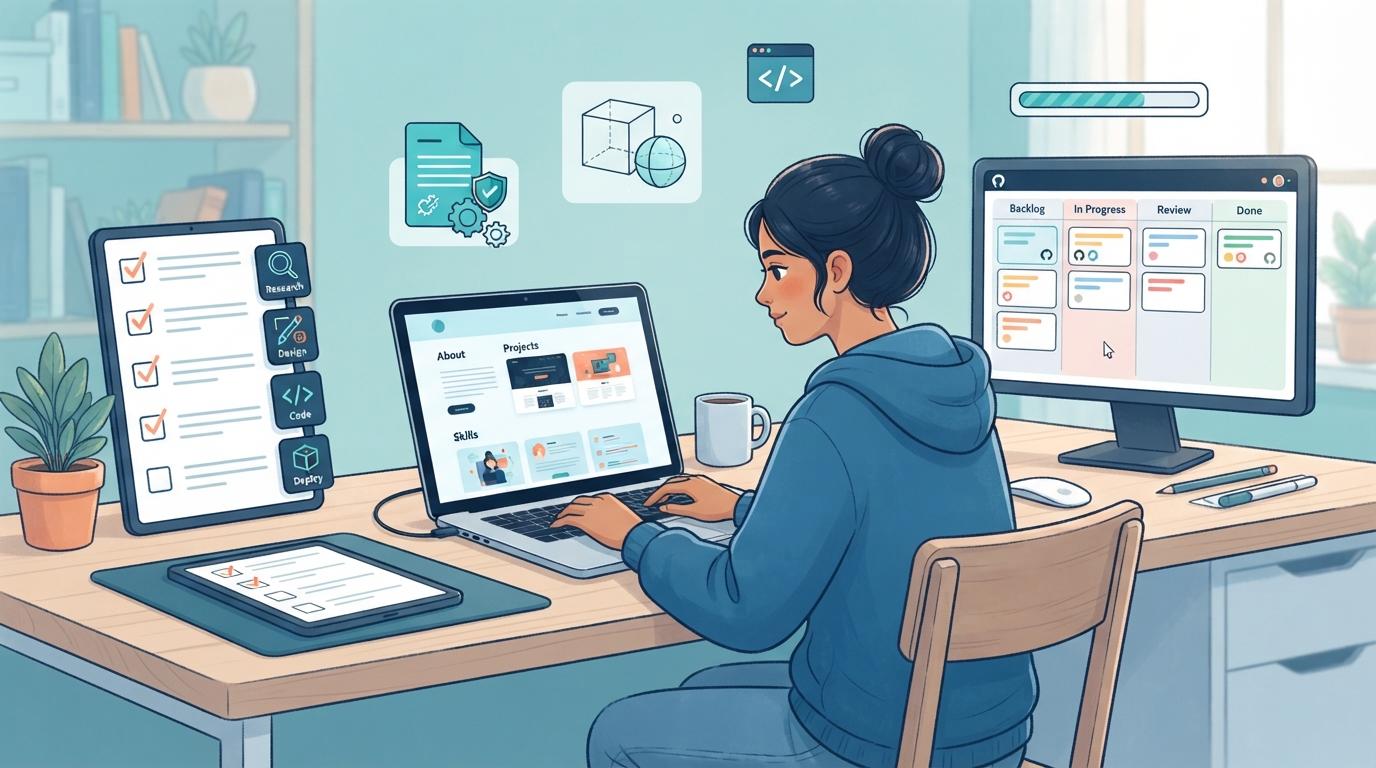
- Choose a path. Decide whether you want a technical or non-technical role. For tech, pick one stack, such as Solidity or Unity. For non-tech, pick one area, such as marketing, community, design, analytics or operations.
- Learn how blockchains work. Understand wallets, smart contracts, NFTs and DAOs, and read a few project whitepapers.
- Build small projects. Write a sample smart contract on a test network, create a simple 3D scene or AR experiment, or run a community channel for a project you like.
- Build a portfolio. Put your best work online with a short note on what you built, why, and what you learned. Web3 hiring managers look closely at what you have actually shipped.
- Network in the community. Join Discord and X communities, online hackathons, virtual metaverse meetups and conferences.
- Use specialised job boards. Search Web3-focused boards such as Web3.career along with LinkedIn.
- Stay flexible and keep learning. Tools change quickly, so set aside time every week to learn something new.
- Be ready for remote work. Most Web3 roles are remote, so good written communication and time-zone flexibility matter.
For internship options that fit a student schedule, read our guide to crypto internships and job roles for students in India.
Not sure whether a technical or non-technical route suits you? A session with a career counsellor at Infigon Futures can help you match your interests and strengths to the right role, and our career assessments add a clear, data-based view.
Challenges and how to overcome them
- High competition: Web3 attracts many applicants, so a clear niche and a strong portfolio help you stand out.
- Fast-changing technology: tools and standards change often, so keep learning and revisit your skills every few months.
- Project risk: check a project's team, funding and security audits before you join it or accept token pay.
- Rules differ by country: crypto laws change, so follow official updates and keep your tax records in order.
Frequently Asked Questions
What is the difference between Web3 and blockchain?
Blockchain is a secure digital record system that stores data across many computers at once. Web3 is the broader idea of a decentralised internet that uses blockchain so people can own their data, money and digital assets. In short, blockchain is the technology and Web3 is the wider vision built on top of it.
Is blockchain developer a good career in India?
Blockchain developer roles pay well compared with many entry-level jobs. Glassdoor's June 2026 data shows a median of about ₹7.15 lakh a year, rising to around ₹16.65 lakh at the 90th percentile. Hiring is uneven and the sector has seen layoffs in 2026, so strong coding and security skills and a solid portfolio matter most.
Do I need to know coding for a Web3 job?
No. Many Web3 jobs are non-technical, including community management, marketing, operations, design, compliance and finance analysis. If you enjoy communication, writing or design, you can start in one of these roles and learn the basics of blockchain on the job.
How much does a fresher blockchain developer earn in India?
Most salary guides put fresher blockchain developer offers between about ₹5 lakh and ₹9 lakh a year. Ambition Box data cited by upGrad shows an average of about ₹7.1 lakh for people with one year of experience. Pay depends on the company, the skills you show and whether the role is remote or global.
Are Web3 jobs remote?
Many are. Global Web3 projects often have distributed teams, and recent data shows about 64% of blockchain developer postings were remote in April 2026. Remote work needs good written communication, self-discipline and flexibility with time zones.
Are metaverse jobs still available in India?
Yes, but in smaller numbers. Meta cut about 10% of its Reality Labs staff in January 2026 as it moved spending towards AI wearables, and one job board listed about 41 metaverse-related jobs in India in late September 2026. Skills in Unity, 3D design and WebGL also apply to games, AR and simulation.
Is crypto legal in India in 2026?
Crypto is not banned, and no licensing law for it is in force as of November 2026. Gains are taxed at a flat 30% with 1% TDS, and government warnings say crypto products and NFTs are unregulated and risky. Check the latest rules before you invest or accept token pay.
How can I get into Web3 without experience?
Start by learning the basics of blockchain and building small projects, such as a sample smart contract, a community channel or a blog about a Web3 project. Join online communities and hackathons, and share your work in a simple portfolio. Many people begin in a community or marketing role and move into a technical role later.
Conclusion
Web3 and metaverse careers are changing fast, so check salary and job trends every year before you commit to a course or a role. Blockchain developer work pays well and rewards strong smart contract and security skills, while non-coding roles such as community, marketing and compliance offer a way in without writing code.
If you are still confused about whether a Web3 or metaverse career suits you, you can connect with Infigon Futures and talk to a career expert.
Before you decide: two free 2-minute checks
- 2 min · freeAre your skills safe from AI?AI will replace people who only do work a machine can do. Answer 10 quick questions to see your score and what to work on.Check my skills
- 1 min · freeWhen will you earn your dream salary?Pick a career and the monthly salary you want. We show at what age people in that career usually earn that much, or if most never do.Check my salary