
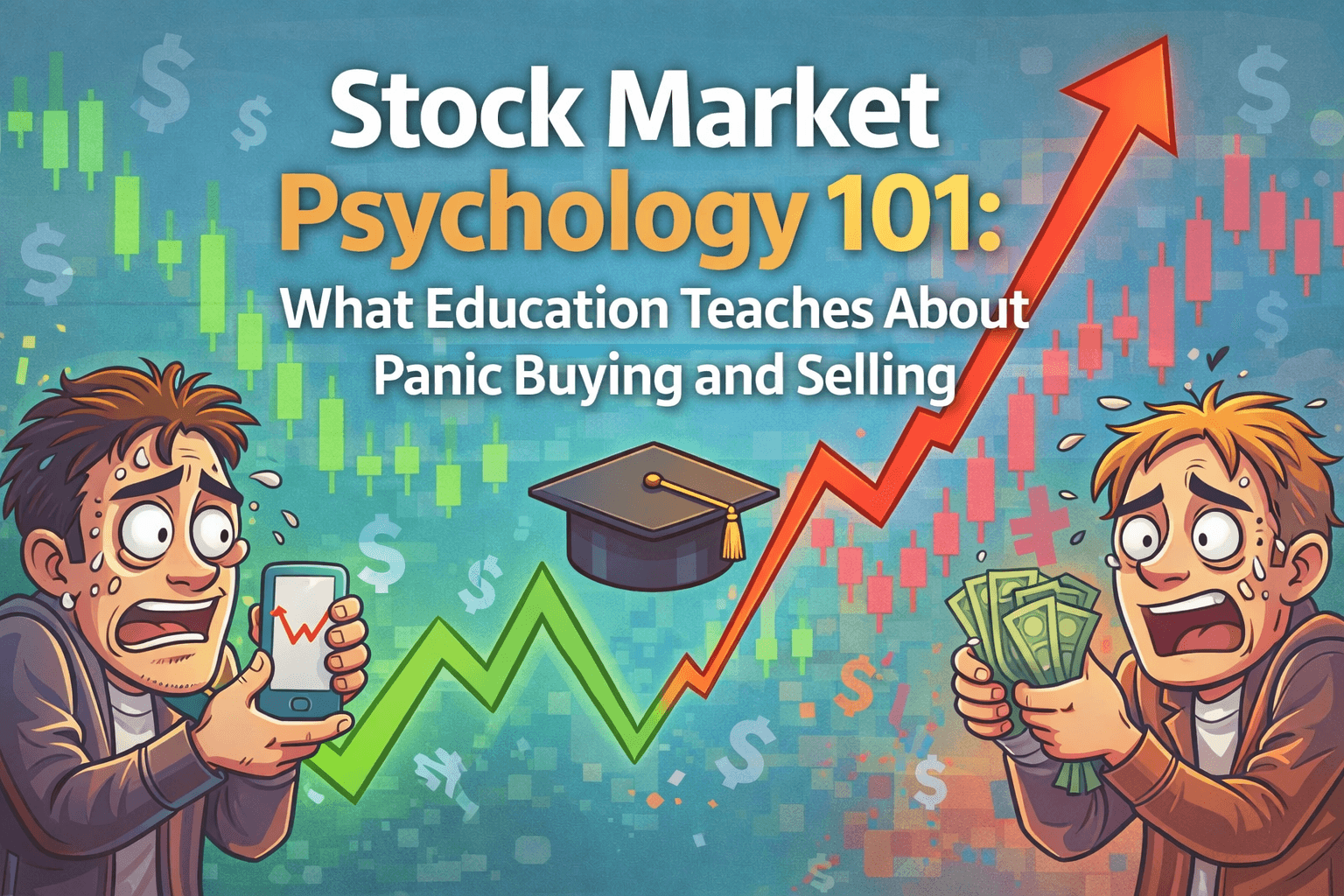
Ever wonder why we buy a stock just because everyone else is, only to sell it the moment the price drops? That is the core of Stock Market Psychology 101. The world of Finance is often treated like a math problem, but in reality, it is a study of human Behavior. Understanding the Psychology behind our financial moves is the first step toward becoming a successful investor. Most people enter the Markets thinking they are rational, yet they quickly fall prey to Fear and Greed. This is where Education plays a vital role. By Learning the patterns of StockMarket movements and the triggers of our own Emotions, we can move from reactive Trading to proactive Investing. This blog explores how a solid Stock market education helps you navigate Volatility and build a Mindset geared for long-term growth.
The Core Principles of Investor Psychology
Understanding how our brains process financial data is essential. Most Investors struggle because they lack a clear Strategy to manage their natural impulses.
▶The Herd Mentality: Humans are social creatures. When we see a "gold rush," our Greed takes over, leading to panic buying at peak prices.
▶Loss Aversion: Research shows that the pain of losing money is twice as powerful as the joy of gaining it. This often leads to poor DecisionMaking during market dips.
▶Overconfidence Bias: Many beginners believe they can "beat the market" without proper Learning, which increases their exposure to unnecessary Risk.
▶Anchoring: We often get stuck on the price we originally paid for a stock, ignoring new information that suggests we should sell.
▶The Role of Education: Proper schooling in financial literacy teaches us that the Markets are cyclical and that staying calm is a superpower.
To better understand these concepts, you can explore the fundamentals of behavioral finance which explains the psychological influences on investors.
| Psychological Concept | Emotional Trigger | Market Impact |
|---|---|---|
| FOMO | Greed | Causes price bubbles and panic buying. |
| Panic Selling | Fear | Leads to market crashes and steep declines. |
| Recency Bias | Perspective | Thinking the current trend will last forever. |
How Education Builds Discipline and Strategy
The difference between a gambler and an investor is Discipline. A structured approach to Finance helps you create a safety net against your own emotions.
▶Risk Assessment: Education teaches you how to calculate your Risk tolerance before you ever place a trade.
▶Technical vs. Fundamental Analysis: Knowing how the stock market works allows you to rely on data rather than "gut feelings."
▶The Power of a Plan: Having a written Strategy ensures you do not deviate when the Volatility of the Markets increases.
▶Emotional Regulation: Through consistent Learning, you realize that a red day on the charts is not a personal failure but a market phase.
▶Diversification: Understanding the difference between shares, stocks, mutual funds, and ETFs helps you spread your assets to minimize potential losses.
| Education Level | Typical Behavior | Focus Area |
|---|---|---|
| Beginner | Reactive / Emotional | Chasing "hot" tips and trends. |
| Intermediate | Analytical / Learning | Studying charts and company health. |
| Advanced | Disciplined / Strategic | Long term wealth and risk management. |
Overcoming Fear and Greed in Trading
In the Psychology of trading, two forces rule the day: Fear and Greed. Managing these is the hallmark of a mature mindset.
▶Identifying the Cycle: Markets move from hope to euphoria, then to anxiety and finally depression. Education helps you spot these stages.
▶Building Discipline: Creating rules for entry and exit points removes the emotional burden of DecisionMaking.
▶Historical Perspective: Analyzing how market events impact stock prices gives you the confidence to hold your position during temporary crashes.
▶Continuous Learning: The best investors are those who never stop reading and refining their Strategy.
▶Asset Comparison: Students often wonder about safety; checking if gold or stocks are better for students can provide a balanced view of low vs high risk assets.
| Emotional State | Potential Action | Recommended Strategy |
|---|---|---|
| Panic | Selling at the bottom. | Review the long term fundamentals. |
| Euphoria | Buying at the peak. | Check if the stock is overvalued. |
| Boredom | Excessive Trading. | Stick to your original timeline. |
Lessons from Leadership and External Markets
Stock Psychology is not limited to just charts. We can learn about DecisionMaking and Discipline from various fields, including sports and medical research.
▶Teamwork and Growth: Just as in Investing, leadership requires patience. See what the Women's IPL teaches about career growth to understand how resilience pays off.
▶Scientific Perspective: Academic studies on human behavior, like those found in neuroscience and finance research, show that our brains are wired to react to financial stress in specific ways.
▶The StockMarket Connection: By applying lessons from various sectors, you develop a more holistic Stock market education.
▶Building a Mindset: The goal of Learning is to create a mental framework where you can remain calm while others are panicking.
Frequently Asked Questions
Q1. How do we start learning about the stock market?
Ans. Starting your journey requires a mix of theory and practice. You should begin by reading foundational books on Investing, taking online courses, and using simulators to practice Trading without using real money. Focus on understanding the Psychology of the Markets first.
Q2. How to increase my stock market knowledge?
Ans. To increase your knowledge, stay updated with financial news, analyze historical market cycles, and follow a structured Stock market education program. Consistency in Learning about different Finance instruments and the Behavior of Investors is key to growth.
Q3. Is the StockMarket a form of gambling?
Ans. No, while there is risk involved, the Markets are based on the economic performance of companies. Gambling relies on chance, whereas successful Investing relies on data, Strategy, and a disciplined Mindset.
Q4. Why do most people lose money in the Markets?
Ans. Most people lose money because they allow their emotions to take over. Without a proper education, they fall into the trap of panic selling due to fear or buying overvalued stocks due to greed.
Q5. How can I control my fear while trading?
Ans. You can control fear by only investing money you can afford to lose and by having a clear exit strategy. Understanding market Volatility through Learning reduces the shock of price drops.