
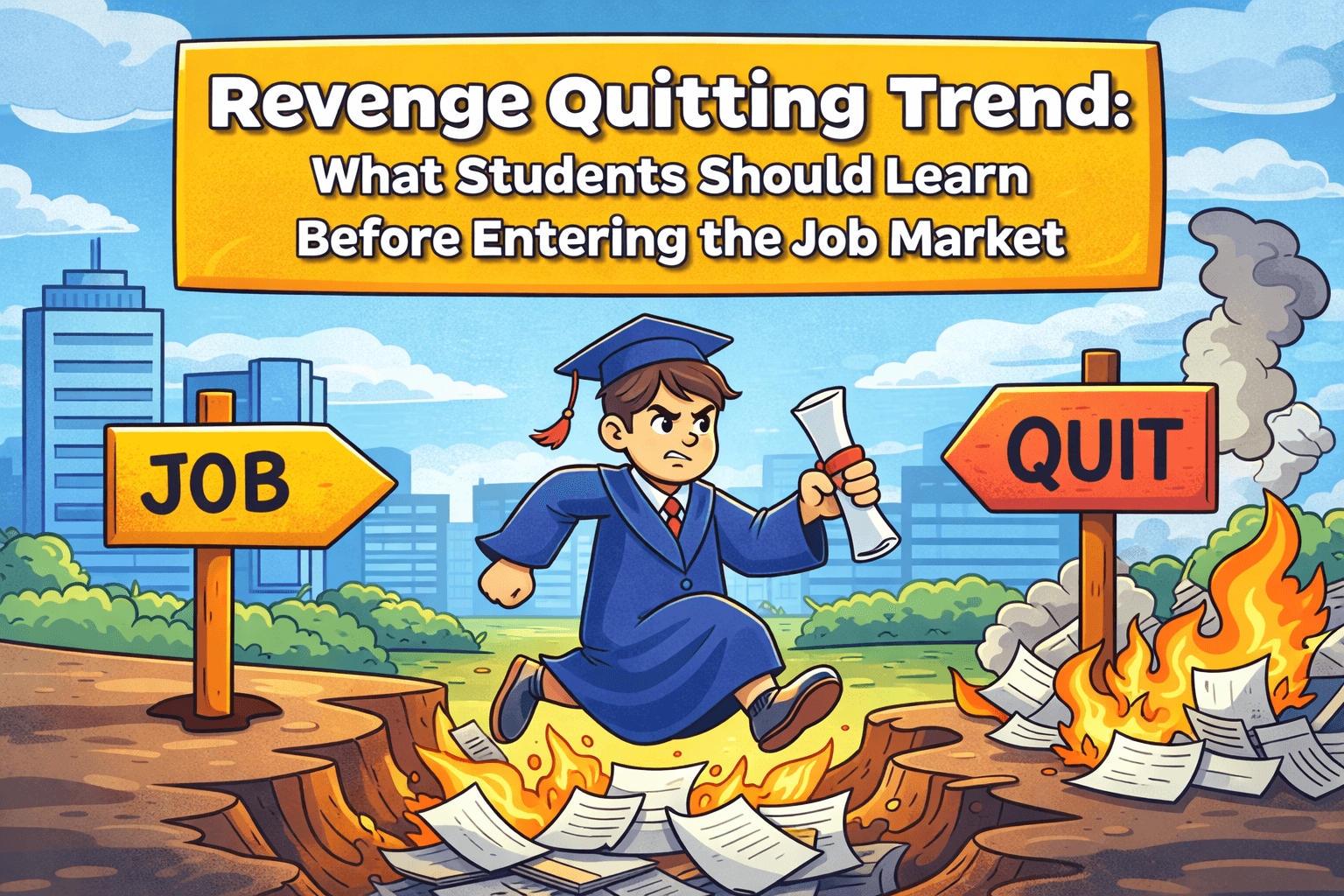
In the modern landscape of work, a new phenomenon is catching the attention of HR departments and Gen Z workers alike. Revenge quitting is no longer just a whispered rumor in breakrooms but a visible shift in how the Workforce views loyalty and professional boundaries. For Students currently preparing to step into their first roles, this trend highlights a deeper tension between traditional Employment expectations and the evolving need for personal respect. While the term sounds aggressive, it often stems from a desire to reclaim agency after experiencing poor Workplace conditions or toxic management. Understanding this shift is vital for Career Planning for Students because it reveals the importance of finding a Culture that aligns with your values. As you look toward your future, learning why employees choose to leave so decisively can help you navigate the Job Market with more confidence and clarity.
Understanding the Shift in the Modern Job Market
The transition from academic life to a professional career is a significant milestone. However, the current environment is quite different from what previous generations experienced. Recent data suggests that 28% of employees expect revenge quitting at work in 2025 due to mounting frustrations.
Key Factors Driving Revenge Quitting
➤Lack of Recognition: When hard work goes unnoticed, employees feel undervalued.
➤Burnout Levels: High pressure without support leads to physical and mental exhaustion.
➤Ethical Disconnect: A gap between company values and actual actions.
➤Toxic Leadership: Poor management is the primary reason for a sudden Resignation.
| Factor | Impact on Employee | Long-term Result |
|---|---|---|
| Unattainable Targets | High Burnout | Reduced Productivity |
| Poor Communication | Confusion and Stress | Loss of Trust |
| Limited Growth | Stagnation | Seeking New Hiring Opportunities |
Why Workplace Culture Matters for Gen Z
For the younger Workforce, a job is more than just a paycheck. It is about purpose and the environment in which they spend their time. Many are realizing that revenge quitting is becoming a major trend in 2025 because people are prioritizing their peace over a toxic desk.
Essential Cultural Elements to Look For
➤Transparency: Open communication from Leadership regarding company goals.
➤Mental Health at Workplace: Explicit policies that support psychological safety and rest.
➤Inclusion: A space where diverse voices are heard and respected.
➤Flexibility: Options for remote or hybrid work to maintain a healthy balance.
Essential Skills and Professionalism for New Entrants
Entering the Job Market requires more than just technical knowledge. You need a mix of soft Skills and a strong sense of Professionalism to navigate complex office dynamics. Interestingly, expanding your horizons by exploring careers beyond playing in the women's IPL shows how diverse the modern world of work can be.
Core Competencies for Success
1- Emotional Intelligence: Understanding how to manage your reactions and empathize with others.
2- Boundary Setting: Learning how to say no politely to maintain your Mental Health at Workplace.
3- Adaptability: Being able to pivot when industry trends or company structures change.
4- Communication: Clearly articulating your needs and your contributions to the team.
| Skill Type | Examples | Why it Matters |
|---|---|---|
| Technical | Data Analysis, Coding | Efficiency and Productivity |
| Soft | Conflict Resolution | Better Workplace Harmony |
| Strategic | Career Planning for Students | Long-term Growth and Stability |
Navigating Employment Ethics and Resignation
The way you leave a job is just as important as how you start it. While revenge quitting might feel satisfying in the moment, maintaining your ethics is crucial for your reputation. Research from a revenge quitting poll in 2025 indicates that while many feel the urge to leave abruptly, a planned exit is usually better for one's long-term Careers.
Steps to a Professional Exit
➤Provide Notice: Give the standard two weeks whenever possible.
➤Stay Productive: Maintain your output until your final day.
➤Exit Interview: Provide constructive feedback to HR instead of venting.
➤Network: Keep your bridges intact for future Hiring cycles.
Exploring Diverse Career Paths
Sometimes, the stress of a typical corporate job leads Students to look at alternative fields. For instance, the healthcare sector offers various specialized roles. You might want to research occupational vs physical therapy careers to see which fits your personality better. Additionally, the rise of digital health has expanded teletherapy benefits and career scope significantly.
Alternative Career Options to Consider
➤Therapy and Counseling: Fields like careers in addiction therapy allow for deep human impact.
➤Freelancing: Offering specialized Skills on a project basis.
➤Entrepreneurship: Building a business centered on a healthy company Culture.
➤Non-Profit Work: Focusing on social Ethics and community Growth.
| Career Sector | Key Benefit | Potential Challenge |
|---|---|---|
| Tech | High Pay, Innovation | High Risk of Burnout |
| Healthcare | Job Security | Emotional Labor |
| Education | Impacting Future Generations | Administrative Pressure |
FAQS
Q1. Why has quiet quitting become a loud trend?
The shift from quiet quitting to revenge quitting has become loud because the Workforce is no longer willing to suffer in silence. Social media has given Gen Z a platform to share their experiences, making what was once a private Resignation a public statement against poor Leadership. It serves as a wake-up call to companies that they must prioritize their staff.
Q2. How can learning a new skill enhance wellbeing at work?
Acquiring new Skills boosts your confidence and makes you more versatile in the Job Market. When you feel competent and have room for growth, your stress levels decrease. It also gives you the leverage to move to a better Employment situation if your current one becomes toxic, protecting your Mental Health at Workplace.
Q3. What is the main difference between a regular exit and revenge quitting?
A regular exit is usually planned and follows standard Professionalism protocols. Revenge quitting is often sudden and intended to leave the employer in a difficult spot as a response to perceived mistreatment or a lack of ethics in the office.
Q4. Can students prepare for workplace stress before they start working?
Yes, through proactive Career Planning for Students. Engaging in internships, practicing mindfulness, and setting clear goals can help Students build the resilience needed to handle the pressures of modern Careers.
Q5. How do HR departments view the revenge quitting trend?
Most HR professionals see it as a sign of a failing internal Culture. It forces companies to re-evaluate their retention strategies and focus more on employee satisfaction and productivity rather than just monitoring hours worked.