GTA 6 and Careers in Game Development: 20 Jobs Behind the Game
GTA 6 launches on 19 November 2026, and making a game of its scale draws on 20 key careers, from designers and programmers to artists and testers. This guide explains each role, the skills it needs and how students can enter the industry.

Arham Ansari
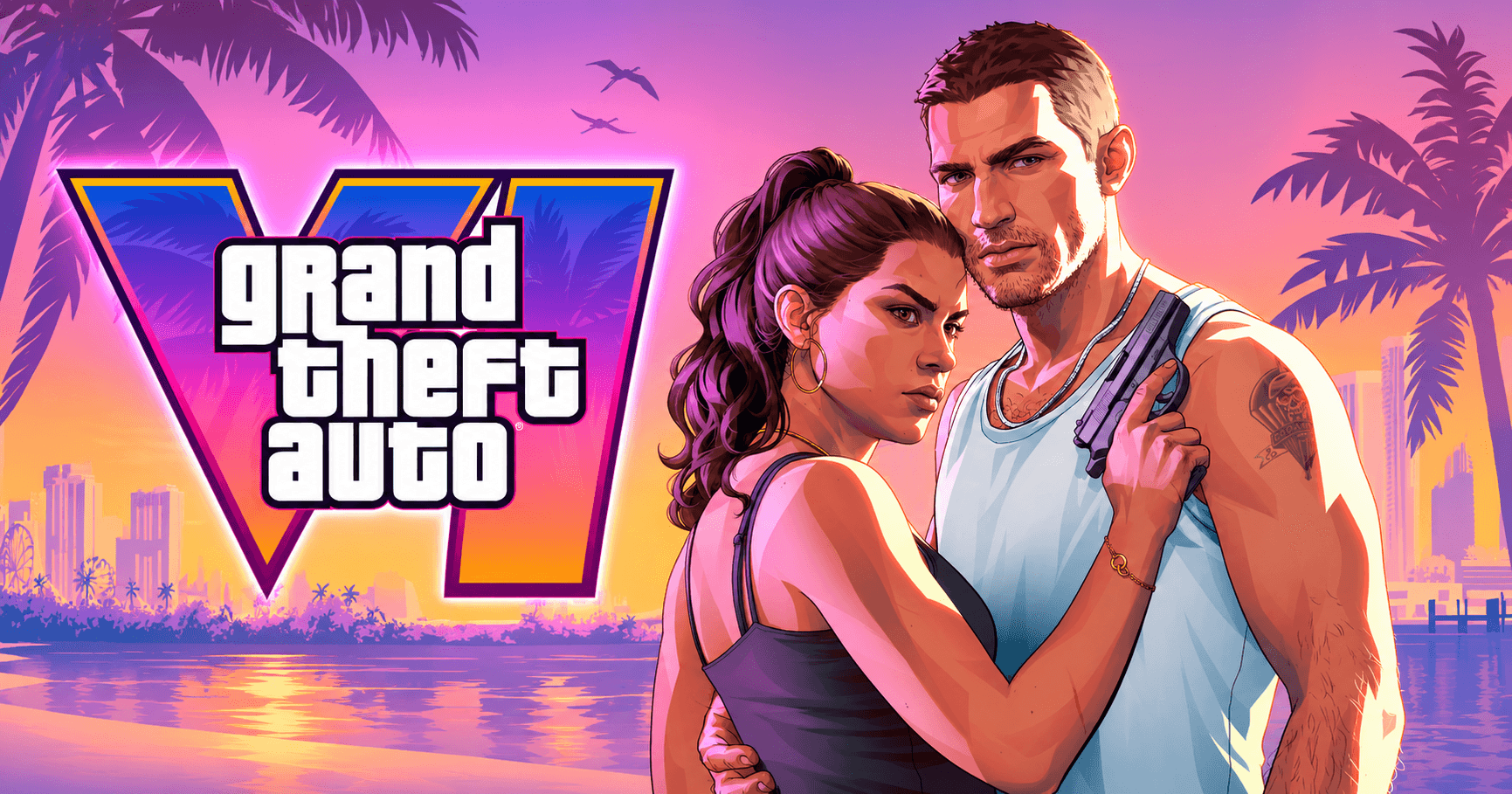
Careers in game development are the jobs that design, build, test and launch video games. A project as large as GTA 6 depends on dozens of these roles working together, from programmers and artists to sound specialists, testers and producers.
Rockstar Games is the developer behind the Grand Theft Auto series, and Take-Two Interactive is the publisher. GTA 6 launches on Thursday, 19 November 2026, which makes this a good moment for students, parents and career changers to look at the jobs behind a blockbuster game.
GTA 6 Release Date and Why It Matters for Careers
| GTA 6 is set to release on Thursday, 19 November 2026, for **PS5 and Xbox Series X | S**, according to Rockstar's official newswire. The game is set in Vice City and the state of Leonida, as Forbes reports. |
|---|
This article does not claim that any named person worked on GTA 6. It uses the release to explore the professional roles that large AAA studios commonly staff, because the same kinds of roles appear in most big-budget games.
How Much Did GTA 6 Cost to Make?
Rockstar and Take-Two have not disclosed a budget for GTA 6, so the figures below are estimates from analysts and industry sites.
The most cited analyst estimate puts development at $1 billion to $1.5 billion, according to GameBoost, which cites analysts speaking to Business Insider. CNBC reports that Roth analyst Eric Handler estimated the publisher spent more than $1 billion developing the game.
With marketing and online infrastructure included, total estimates run from $1 billion to $2 billion, according to GrindMap.
| Game | Estimated cost | What the figure covers |
|---|---|---|
| GTA 5 (2013) | About $265 million | Including marketing, per SixHype |
| GTA 6 | $1 billion to $1.5 billion | Development, analyst estimate |
| GTA 6 | $1 billion to $2 billion | Total, with marketing and online infrastructure |
Budgets of this size pay for motion capture, asset creation for a large open world, engine work and testing. Each of these needs skilled people, which is why a game like this depends on the roles listed below.
How a Large Open-World Game Team Is Organised
A game with a city the size of Vice City is built by several teams that depend on each other. Large AAA studios can have hundreds of people on one title, usually grouped into five areas:
- Design: decides what the game is, how missions work and how players progress
- Engineering: writes the code, engine and tools that run everything
- Art and animation: creates characters, vehicles, cities and visual effects
- Audio and story: records voices, composes music, designs sound and writes dialogue
- Quality and production: tests builds, plans schedules and keeps the project on track
Most careers below sit in one of these areas, and many need skills from more than one.
Careers in Game Development: 20 Roles Explained
Each role below is a professional role commonly involved in AAA game production. Titles and duties vary between studios, and people often move between related roles over time. The industry career resource Into Games features more than 70 job roles, and the 20 below are a practical starting set.
Explore the Career Library at Infigon Futures for more detail on each career. The links in each role take you to its page.
1. Game Designer
What they do: Design the rules, systems and progression that shape how a game plays. Key skills: Systems thinking, prototyping, player psychology. Study routes: Game design, animation or any degree, plus a portfolio of playable prototypes. Career path: Designer, lead designer, creative director. See the Game Designer guide in the Career Library.
2. Game Developer
What they do: Build playable features across code, content and tools. Key skills: C++ or C#, Unity or Unreal Engine, debugging and teamwork. Study routes: Computer science, B.Tech or BE, or a game development certificate. Career path: Developer, senior developer, technical lead. See the Game Developer guide.
3. Gameplay Programmer
What they do: Code how movement, combat and controls feel to the player. Key skills: C++ or C#, physics, animation systems and tuning. Study routes: Computer science, electronics or mathematics, with playable projects. Career path: Gameplay engineer, senior gameplay programmer, technical lead. See the Gameplay Programmer guide.
4. AI Programmer
What they do: Build how enemies, crowds and non-player characters react to players. Key skills: Pathfinding, decision systems, scripting and maths. Study routes: Computer science or AI courses, with behaviour-system projects. Career path: AI programmer, senior AI engineer, AI lead.
5. Graphics Programmer
What they do: Write the code that turns 3D scenes into images, covering lighting, shaders and frame rate. Key skills: C++, shader languages, linear algebra and GPU optimisation. Study routes: Computer science or computer graphics courses, such as an MSc in Computer Graphics and VR. Career path: Graphics engineer, senior rendering engineer, rendering lead.
6. Game Engine Developer
What they do: Build and maintain the engine that runs the game, plus the tools creators use every day. Key skills: C++, memory management, multithreading and tool building. Study routes: Computer science or B.Tech, with strong systems programming. Career path: Engine programmer, senior engine engineer, engine architect. See the Game Engine Programmer guide, the closest match in the Career Library.
7. 3D Character Artist
What they do: Model, sculpt and texture characters, from lead protagonists to background crowds. Key skills: Digital sculpting, texturing, anatomy and colour. Study routes: Animation, fine arts or a game art certificate, with a character portfolio. Career path: Junior 3D artist, character artist, art lead. See the Character Artist guide.
8. Environment Artist
What they do: Build the streets, landscapes, interiors and props that make a game world feel real. Key skills: 3D modelling, texturing, lighting and a sense of scale. Study routes: Architecture, design or animation courses, with an environment portfolio. Career path: Environment artist, senior environment artist, art lead.
9. 3D Animator
What they do: Bring characters and vehicles to life through movement and facial expression. Key skills: Rigging, animation software, timing and acting sense. Study routes: BSc Animation and Gaming or animation courses, with a showreel. Career path: Animator, senior animator, animation lead. See the Animator guide.
10. Motion Capture Specialist
What they do: Record actors' movements with capture suits and cameras, then prepare that data for the game. Key skills: Capture systems, animation knowledge and attention to detail. Study routes: Animation, film or performing arts courses, with studio experience. Career path: Mocap technician, mocap specialist, capture supervisor. See the Motion Capture Technician guide.
11. VFX Artist
What they do: Create fire, smoke, rain, explosions and magic effects. Key skills: Particle systems, real-time effects tools and a sense of timing. Study routes: Animation or VFX courses, or computer graphics study, with effects showreels. Career path: VFX artist, senior VFX artist, VFX supervisor. See the VFX Artist guide.
12. UI/UX Designer
What they do: Design menus, maps, heads-up displays and controls so players understand information quickly. Key skills: User research, interface design, prototyping and accessibility. Study routes: B.Des or UX courses, or a mix of design and computing study. Career path: UI designer, UX designer, design lead. See the UI/UX Designer guide.
13. Sound Designer
What they do: Create sound effects such as footsteps, engines, gunfire and ambience. Key skills: Audio editing, field recording, mixing and game audio tools. Study routes: Sound engineering, music production or audio design courses. Career path: Sound designer, audio lead. See the Sound Designer guide.
14. Music Composer
What they do: Write original music that sets the mood for exploration, action and story scenes. Key skills: Composition, arrangement and music production software. Study routes: Music theory, composition or music production courses, with soundtrack demos. Career path: Composer, senior composer, audio director. See the Music Composer guide.
15. Voice Actor
What they do: Perform character dialogue, narration and in-game lines, usually in studio sessions. Key skills: Voice control, acting, script reading and emotional range. Study routes: Acting, theatre or voice training, with a demo reel. Career path: Voice artist, lead character voice, voice director. See the Voice-over Artist guide.
16. Game Writer and Narrative Designer
What they do: Write story, dialogue and quests, and make sure the narrative fits how the game plays. Key skills: Creative writing, branching story design and scripting. Study routes: English literature, journalism, film or creative writing, with a narrative portfolio. Career path: Game writer, narrative designer, narrative director. See the Game Writer guide.
17. Level Designer
What they do: Lay out missions, spaces and encounters so players move with purpose and pace. Key skills: Spatial thinking, level editor tools and playtesting. Study routes: Game design or architecture courses, with playable level projects. Career path: Level designer, senior level designer, design lead. See the Level Designer guide.
18. Game Tester and QA Engineer
What they do: Play builds to find bugs and balance problems, then report them clearly. Key skills: Attention to detail, clear bug reports, patience and basic test tools. Study routes: Any degree, plus a short QA or game testing course. Career path: QA tester, QA analyst, QA lead, test automation engineer. Browse the Game Tester guide.
19. Technical Artist
What they do: Build the tools, shaders and pipelines that connect art and code. Key skills: Scripting, shader basics, art pipelines and 3D software. Study routes: Animation, computer science or game art courses, with a tools portfolio. Career path: Technical artist, senior technical artist, pipeline lead. See the Technical Artist guide.
20. Game Producer
What they do: Plan the schedule, budget and team, and keep development on track to launch. Key skills: Planning, budgeting, communication and leadership. Study routes: Management, commerce or design degrees, usually followed by studio experience. Career path: Associate producer, producer, senior producer. See the Game Producer guide.
Game Development Roles Compared
Use this table to compare what each role does and the main skills it needs.
| Role | Main responsibilities | Key skills |
|---|---|---|
| Game Designer | Designs rules, systems and progression | Systems thinking, prototyping |
| Game Developer | Builds features across code and content | C++ or C#, engine skills |
| Gameplay Programmer | Codes controls, movement and combat | Physics, responsive coding |
| AI Programmer | Builds enemy and crowd behaviour | Pathfinding, decision systems |
| Graphics Programmer | Handles lighting, shaders and rendering | GPU optimisation, maths |
| Game Engine Developer | Builds and maintains the game engine | Systems programming, tools |
| 3D Character Artist | Models and textures characters | Modelling, texturing, anatomy |
| Environment Artist | Builds game worlds and props | 3D modelling, lighting, scale |
| 3D Animator | Animates movement and expression | Rigging, timing, performance |
| Motion Capture Specialist | Records and prepares actor movement | Capture systems, animation |
| VFX Artist | Creates fire, smoke and magic effects | Particle systems, timing |
| UI/UX Designer | Designs menus, HUD and controls | Interface design, user research |
| Sound Designer | Creates effects and ambience | Audio editing, mixing |
| Music Composer | Writes music for mood and scenes | Composition, music production |
| Voice Actor | Performs dialogue and narration | Voice control, acting |
| Game Writer / Narrative Designer | Writes story, dialogue and quests | Creative writing, scripting |
| Level Designer | Lays out missions and spaces | Spatial thinking, playtesting |
| Game Tester / QA Engineer | Finds and reports bugs | Attention to detail, bug reports |
| Technical Artist | Builds art tools and pipelines | Scripting, shaders, pipelines |
| Game Producer | Plans schedule, budget and team | Planning, budgeting, leadership |
Want a clear plan for entering any of these roles? Ask an expert counsellor for a step-by-step roadmap.
Get Step by Step Roadmap from Expert Counsellor
What Is the Salary Package for Game Development Roles in India?
Pay in game development varies by role, experience, studio and city. The figures below are approximate annual pay from Indian job-data and career sites, so treat them as a guide rather than an offer.
| Experience level | Approximate annual pay in India | Source |
|---|---|---|
| Entry level (0 to 3 years) | About ₹4 lakh (median) | Flexiple |
| Mid-level (3 to 6 years) | About ₹7.3 lakh (median) | Flexiple |
| All experience levels | About ₹5.9 lakh (median) | Glassdoor and Flexiple |
| Senior (5 to 10 years) | ₹15 lakh to ₹30 lakh | Business Scroll |
Some role-level examples show how wide the range can be:
- Game tester: pay starts around ₹1 lakh to ₹4.3 lakh a year, according to Artemisia.
- Game designer: with under a year's experience, reported pay ranges from ₹1.1 lakh to ₹12 lakh a year, according to the same source.
As you compare roles, check the Career Library for each career's path and skills.
How to Enter the Games Industry After Class 10, Class 12 or Graduation
Students can enter game development at several stages of education. The right route depends on your stream, your interests and how early you start building a portfolio.
After Class 10
Class 10 is mainly the stage to choose a stream, and no stream rules out a games career. Arts students can move towards design, art or writing, while science and commerce students can head towards programming, analytics or production. Start building basics now, such as simple drawing or 3D software, introductory coding and regular analysis of the games you play. Our guide to career options after 10th compares the streams.
After Class 12
Class 12 opens the widest range of options. Common routes include a three-year BSc in Animation and Gaming or Game Design, a B.Des in Game Design, and a B.E. or B.Tech in computer science with a game development specialisation. One institute lists Class 12 with at least 50% marks in any stream as its entry rule, so requirements vary by college. Design-focused programmes may use entrance tests such as NID, NIFT, CEED and the Design Aptitude Test, as Shiksha's list of game design colleges shows. Our guide on what to do after 12th sets out the choices, and career counselling can match a course to your strengths.
After Graduation
Graduates can enter through a portfolio, a postgraduate course such as an MSc in Game Design and Development, or a short specialist certificate. Game jam projects and playable prototypes are typical portfolio items, according to Virtual Film School. Current job listings in India include game tester and 3D artist roles, so entry-level openings do exist. Our article on building a career without a college degree covers how to make this route work.
Courses and Pathways: No Single Degree Is Compulsory
Game development has several routes, and no single degree is required for every role. Programming roles lean towards computing, while art and design roles often come from animation or design programmes. Common options include:
- BSc Animation and Gaming or BSc Game Design: three years, as listed by Collegedunia
- B.Des in Game Design: usually three to four years, depending on the college
- B.E. or B.Tech in Computer Science with a game design or game development specialisation: four years
- Postgraduate options: MSc in Game Design and Development, MSc in Gaming, or MSc in Computer Graphics and VR
- Certificates and diplomas: Certificate in Gaming (four to 12 months), Certificate in Game Art and Design (six to 12 months) and Diploma in Game Design (one year), as listed by CollegeDekho
Employers take different views. The ITM guide to game development courses notes that many companies favour candidates who have completed college, while a Careers360 guide suggests a computer science route followed by self-built game projects. Both paths can work, and a strong portfolio of playable work carries real weight either way.
Is Gaming a Good Career in India?
Yes, the sector is growing, but studios say they need better-prepared talent. The GDAI GameDev Outlook 2026, released on 28 October 2026, found that 54.8% of surveyed studios planned to expand their teams over the next two years. The same report found that 56.7% of industry respondents considered fresh talent poorly prepared or unprepared for production requirements.
Panellists at IGDC 2026 called for industry-designed curricula, faculty training and closer ties between studios and colleges, as Outlook reported. The Union Budget 2026-27 proposed ₹250 crore for content creator laboratories in 15,000 secondary schools and 500 colleges. The government's stated aim is around 20 lakh jobs, according to Outlook's budget coverage.
This skills gap is also an opportunity. Students who build playable work and a portfolio early start ahead of many applicants, and pay varies by role, experience and city, so compare careers before choosing a course.
Frequently Asked Questions
What careers are involved in making a video game?
Making a video game involves design, programming, art, animation, sound, writing, testing and production. Common roles include game designer, gameplay programmer, 3D artist, animator, VFX artist, sound designer, composer, voice actor, narrative designer, level designer, QA tester, technical artist and producer. Large AAA teams also add engine developers, AI programmers and motion capture specialists.
Can I become a game developer after Class 12?
Yes. Class 12 is a common entry point for game design, animation and computer science courses, and one institute lists Class 12 with at least 50% marks in any stream as its entry rule. Requirements differ by college, so check each course's criteria. Building playable projects during school or college will strengthen your applications and your first job search.
Which degree is best for game development?
No single degree is compulsory. Programming roles usually suit computer science or B.Tech, while art and animation roles suit BSc Animation and Gaming or animation courses. Designers can choose a B.Des in Game Design, and writers can come from English or film. Pick the course that matches the role you want, and build a portfolio whatever you study.
Is gaming a good career in India?
Yes, the sector is growing and needs skilled people. The GDAI GameDev Outlook 2026 found that 54.8% of surveyed studios planned to expand their teams over the next two years, yet 56.7% of industry respondents considered fresh talent poorly prepared for production. Students who build practical skills and portfolios can stand out in that gap.
How much can gaming professionals earn?
Earnings depend on the role, experience, studio and city. Job-data sites put the median game developer salary in India at about ₹5.9 lakh a year, with about ₹4 lakh at entry level and ₹15 to ₹30 lakh for 5 to 10 years of experience. Game tester pay often starts lower, so compare roles in the Career Library before choosing a path.
Conclusion
Careers in game development go well beyond the people you see on screen, and GTA 6 shows how many skills come together in one release. Pick the roles that match your strengths, build a small portfolio and test your ideas through prototypes or game jams. If you are still unsure which path suits you, you can connect with Infigon Futures and talk to a career expert.
Before you decide: two free 2-minute checks
- 2 min · freeAre your skills safe from AI?AI will replace people who only do work a machine can do. Answer 10 quick questions to see your score and what to work on.Check my skills
- 1 min · freeWhen will you earn your dream salary?Pick a career and the monthly salary you want. We show at what age people in that career usually earn that much, or if most never do.Check my salary